




See talent clearly.
Messa is the evaluation layer for hiring. It turns every interview into evidence, so decisions stop being guesswork and every hire is as sharp as your best one. The decision stays yours.


The Problem
Great hiring becomes occasional hiring.
Your team knows how to hire well. They just can't do it for every role, every panel, every time.
Shortlisting needs criteria.
Most teams skim and hope.
Interviews need preparation.
Most don’t get it.
Panels need coordination.
Most don’t have it.
Scorecards need discipline.
Most skip it.
So conversations with candidates become missed opportunities. Three interviewers ask the same three questions. Candidates are evaluated against different bars. Decisions come down to memory and gut.
Your stack tracks the process. Nothing helps you make the right hire.



Messa
Traditional
Your company DNA, the role's real requirements, every candidate's profile, threaded through every step. One system from shortlist to coaching, so nothing gets lost between handoffs.
The part nobody built.
Your stack is full. Your hiring is still guesswork. Messa is the missing piece.

How It Works
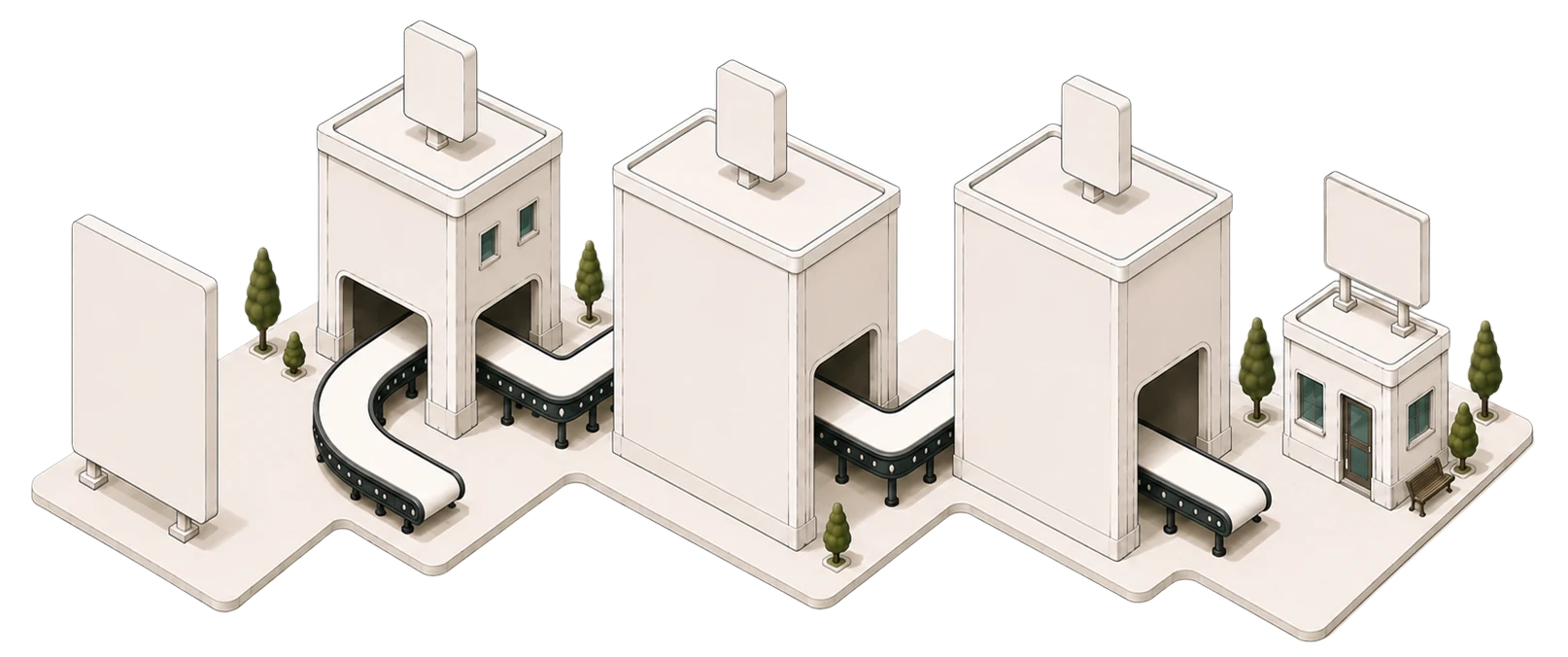
Step 1 sets the bar.
Every other step enforces it.
That's why it's a system, not four features duct-taped together.


 Resume Analysis
 Interview Guide
 Interviews
 ScorecardResume uploaded. Click analyze to begin.Analyze Resume →Transcript Follow UpInterview CoachFinishResume AnalysisInterview GuideInterviewsScorecard
Maya demonstrated a strong command of end-to-end product design execution throughout the interview. Her work at Carbon Direct and Pachama showed consistent ability to take ambiguous problems and ship high-quality solutions under tight timelines. She articulated clear trade-offs she made in her design decisions, backed by measurable outcomes like reduced onboarding time and improved data clarity in complex environmental dashboards.
Know what to look for
Messa analyzes the role and suggests the skill sets that matter, the questions that reveal them, and how to split focus across interviewers. Your team walks in with a plan, not a blank page.
Shortlist with confidence
Messa reads the job description and distills the criteria. Your team approves. Every application scored against those criteria, with reasoning. Your team decides who moves forward.
Stay sharp in the conversation
Sidekick knows the candidate's profile and what your team is assessing, surfacing the right questions and follow-ups the moment they matter. The interviewers stay in control. Nothing important slips by.
Decide with evidence
Your team makes the call. Messa drafts the scorecard from the conversation, grounded in evidence. Everyone decides from the same facts. Not impressions. Not vibes.
Compounding
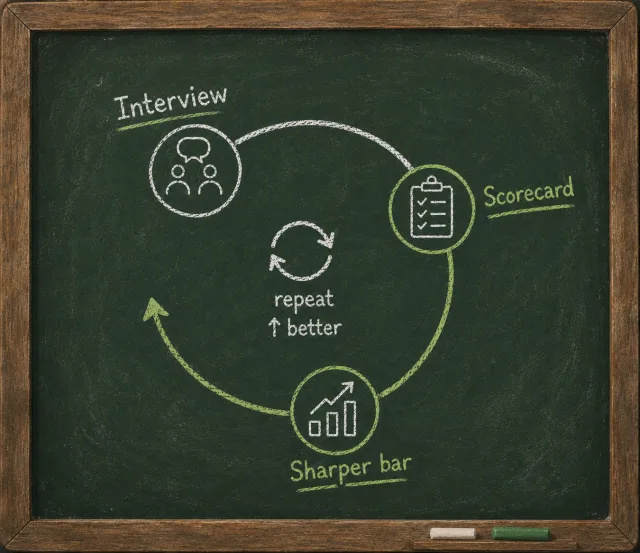
Every hire sharpensthe next one.
Most hiring resets to zero every time. Same debates, same blank page, same gut calls. Messa keeps the bar. Every role you run and every scorecard you write makes your team's judgment sharper, not just faster.
Works with your existing stack
Messa plugs into Greenhouse, Ashby, BambooHR, Lever, and more. No migration. No switching costs.


The Product
Built into the workflow, not bolted on.
Software paired with a methodology built by recruiting experts, and a partner who helps your team apply it.
Messa doesn't hand you a blank template. It shows up with the answers.
 Search...K
Shortlisting results for “Junior AI Software Engineer”
Showing classified candidates from the latest evaluation.Apr 24, 2026 4:27 PM
Strong fit- –Experience with FastAPI and AI integrations.
- –Hands-on experience with microservices architecture.
- –No evidence of React UI experience.
- –Short professional tenure in relevant roles.
Strong fit- –Experience with FastAPI and AI integrations.
- –Hands-on experience with microservices architecture.
- –No evidence of React UI experience.
- –Short professional tenure in relevant roles.
Strong fitClick me- –Experience with FastAPI and AI integrations.
- –Hands-on experience with microservices architecture.
- –No evidence of React UI experience.
- –Short professional tenure in relevant roles.
Maybe- –Experience with FastAPI and AI integrations.
- –Hands-on experience with microservices architecture.
- –No evidence of React UI experience.
- –Short professional tenure in relevant roles.
Maybe- –Experience with FastAPI and AI integrations.
- –Hands-on experience with microservices architecture.
- –No evidence of React UI experience.
- –Short professional tenure in relevant roles.
Maybe- –Experience with FastAPI and AI integrations.
- –Hands-on experience with microservices architecture.
- –No evidence of React UI experience.
- –Short professional tenure in relevant roles.
Maybe- –Experience with FastAPI and AI integrations.
- –Hands-on experience with microservices architecture.
- –No evidence of React UI experience.
- –Short professional tenure in relevant roles.
Maybe- –Experience with FastAPI and AI integrations.
- –Hands-on experience with microservices architecture.
- –No evidence of React UI experience.
- –Short professional tenure in relevant roles.
Maybe- –Experience with FastAPI and AI integrations.
- –Hands-on experience with microservices architecture.
- –No evidence of React UI experience.
- –Short professional tenure in relevant roles.
Maybe- –Experience with FastAPI and AI integrations.
- –Hands-on experience with microservices architecture.
- –No evidence of React UI experience.
- –Short professional tenure in relevant roles.
Maybe- –Experience with FastAPI and AI integrations.
- –Hands-on experience with microservices architecture.
- –No evidence of React UI experience.
- –Short professional tenure in relevant roles.
 Maybe
Maybe- –Experience with FastAPI and AI integrations.
- –Hands-on experience with microservices architecture.
- –No evidence of React UI experience.
- –Short professional tenure in relevant roles.
Maybe- –Experience with FastAPI and AI integrations.
- –Hands-on experience with microservices architecture.
- –No evidence of React UI experience.
- –Short professional tenure in relevant roles.
Maybe- –Experience with FastAPI and AI integrations.
- –Hands-on experience with microservices architecture.
- –No evidence of React UI experience.
- –Short professional tenure in relevant roles.
 Maybe
Maybe- –Experience with FastAPI and AI integrations.
- –Hands-on experience with microservices architecture.
- –No evidence of React UI experience.
- –Short professional tenure in relevant roles.
Maybe- –Experience with FastAPI and AI integrations.
- –Hands-on experience with microservices architecture.
- –No evidence of React UI experience.
- –Short professional tenure in relevant roles.
Maybe- –Experience with FastAPI and AI integrations.
- –Hands-on experience with microservices architecture.
- –No evidence of React UI experience.
- –Short professional tenure in relevant roles.
Maybe- –Experience with FastAPI and AI integrations.
- –Hands-on experience with microservices architecture.
- –No evidence of React UI experience.
- –Short professional tenure in relevant roles.
 Maybe
Maybe- –Experience with FastAPI and AI integrations.
- –Hands-on experience with microservices architecture.
- –No evidence of React UI experience.
- –Short professional tenure in relevant roles.
Maybe- –Experience with FastAPI and AI integrations.
- –Hands-on experience with microservices architecture.
- –No evidence of React UI experience.
- –Short professional tenure in relevant roles.
Maybe- –Experience with FastAPI and AI integrations.
- –Hands-on experience with microservices architecture.
- –No evidence of React UI experience.
- –Short professional tenure in relevant roles.
Maybe- –Experience with FastAPI and AI integrations.
- –Hands-on experience with microservices architecture.
- –No evidence of React UI experience.
- –Short professional tenure in relevant roles.
 Maybe
Maybe- –Experience with FastAPI and AI integrations.
- –Hands-on experience with microservices architecture.
- –No evidence of React UI experience.
- –Short professional tenure in relevant roles.
 Maybe
Maybe- –Experience with FastAPI and AI integrations.
- –Hands-on experience with microservices architecture.
- –No evidence of React UI experience.
- –Short professional tenure in relevant roles.
 Maybe
Maybe- –Experience with FastAPI and AI integrations.
- –Hands-on experience with microservices architecture.
- –No evidence of React UI experience.
- –Short professional tenure in relevant roles.
 Low fit
- –Experience with FastAPI and AI integrations.
- –Hands-on experience with microservices architecture.
- –No evidence of React UI experience.
- –Short professional tenure in relevant roles.
 Low fit
- –Experience with FastAPI and AI integrations.
- –Hands-on experience with microservices architecture.
- –No evidence of React UI experience.
- –Short professional tenure in relevant roles.
Low fit- –Experience with FastAPI and AI integrations.
- –Hands-on experience with microservices architecture.
- –No evidence of React UI experience.
- –Short professional tenure in relevant roles.
 Low fit
- –Experience with FastAPI and AI integrations.
- –Hands-on experience with microservices architecture.
- –No evidence of React UI experience.
- –Short professional tenure in relevant roles.
 Low fit
- –Experience with FastAPI and AI integrations.
- –Hands-on experience with microservices architecture.
- –No evidence of React UI experience.
- –Short professional tenure in relevant roles.
 Low fit
- –Experience with FastAPI and AI integrations.
- –Hands-on experience with microservices architecture.
- –No evidence of React UI experience.
- –Short professional tenure in relevant roles.
 Low fit
- –Experience with FastAPI and AI integrations.
- –Hands-on experience with microservices architecture.
- –No evidence of React UI experience.
- –Short professional tenure in relevant roles.
 Low fit
- –Experience with FastAPI and AI integrations.
- –Hands-on experience with microservices architecture.
- –No evidence of React UI experience.
- –Short professional tenure in relevant roles.
 Low fit
- –Experience with FastAPI and AI integrations.
- –Hands-on experience with microservices architecture.
- –No evidence of React UI experience.
- –Short professional tenure in relevant roles.
 Low fit
- –Experience with FastAPI and AI integrations.
- –Hands-on experience with microservices architecture.
- –No evidence of React UI experience.
- –Short professional tenure in relevant roles.
 Low fit
- –Experience with FastAPI and AI integrations.
- –Hands-on experience with microservices architecture.
- –No evidence of React UI experience.
- –Short professional tenure in relevant roles.
 Low fit
- –Experience with FastAPI and AI integrations.
- –Hands-on experience with microservices architecture.
- –No evidence of React UI experience.
- –Short professional tenure in relevant roles.
 Low fit
- –Experience with FastAPI and AI integrations.
- –Hands-on experience with microservices architecture.
- –No evidence of React UI experience.
- –Short professional tenure in relevant roles.
 Low fit
- –Experience with FastAPI and AI integrations.
- –Hands-on experience with microservices architecture.
- –No evidence of React UI experience.
- –Short professional tenure in relevant roles.
 Low fit
- –Experience with FastAPI and AI integrations.
- –Hands-on experience with microservices architecture.
- –No evidence of React UI experience.
- –Short professional tenure in relevant roles.
 Low fit
- –Experience with FastAPI and AI integrations.
- –Hands-on experience with microservices architecture.
- –No evidence of React UI experience.
- –Short professional tenure in relevant roles.
 Low fit
- –Experience with FastAPI and AI integrations.
- –Hands-on experience with microservices architecture.
- –No evidence of React UI experience.
- –Short professional tenure in relevant roles.
 Low fit
- –Experience with FastAPI and AI integrations.
- –Hands-on experience with microservices architecture.
- –No evidence of React UI experience.
- –Short professional tenure in relevant roles.
 Low fit
- –Experience with FastAPI and AI integrations.
- –Hands-on experience with microservices architecture.
- –No evidence of React UI experience.
- –Short professional tenure in relevant roles.
 Low fit
- –Experience with FastAPI and AI integrations.
- –Hands-on experience with microservices architecture.
- –No evidence of React UI experience.
- –Short professional tenure in relevant roles.
 Low fit
- –Experience with FastAPI and AI integrations.
- –Hands-on experience with microservices architecture.
- –No evidence of React UI experience.
- –Short professional tenure in relevant roles.
 Low fit
- –Experience with FastAPI and AI integrations.
- –Hands-on experience with microservices architecture.
- –No evidence of React UI experience.
- –Short professional tenure in relevant roles.
 Low fit
- –Experience with FastAPI and AI integrations.
- –Hands-on experience with microservices architecture.
- –No evidence of React UI experience.
- –Short professional tenure in relevant roles.
 Low fit
- –Experience with FastAPI and AI integrations.
- –Hands-on experience with microservices architecture.
- –No evidence of React UI experience.
- –Short professional tenure in relevant roles.
 Low fit
- –Experience with FastAPI and AI integrations.
- –Hands-on experience with microservices architecture.
- –No evidence of React UI experience.
- –Short professional tenure in relevant roles.
 Low fit
- –Experience with FastAPI and AI integrations.
- –Hands-on experience with microservices architecture.
- –No evidence of React UI experience.
- –Short professional tenure in relevant roles.
 Low fit
- –Experience with FastAPI and AI integrations.
- –Hands-on experience with microservices architecture.
- –No evidence of React UI experience.
- –Short professional tenure in relevant roles.
 Low fit
- –Experience with FastAPI and AI integrations.
- –Hands-on experience with microservices architecture.
- –No evidence of React UI experience.
- –Short professional tenure in relevant roles.
 Low fit
- –Experience with FastAPI and AI integrations.
- –Hands-on experience with microservices architecture.
- –No evidence of React UI experience.
- –Short professional tenure in relevant roles.
 Low fit
- –Experience with FastAPI and AI integrations.
- –Hands-on experience with microservices architecture.
- –No evidence of React UI experience.
- –Short professional tenure in relevant roles.
 Low fit
- –Experience with FastAPI and AI integrations.
- –Hands-on experience with microservices architecture.
- –No evidence of React UI experience.
- –Short professional tenure in relevant roles.
 Low fit
- –Experience with FastAPI and AI integrations.
- –Hands-on experience with microservices architecture.
- –No evidence of React UI experience.
- –Short professional tenure in relevant roles.
 Low fit
- –Experience with FastAPI and AI integrations.
- –Hands-on experience with microservices architecture.
- –No evidence of React UI experience.
- –Short professional tenure in relevant roles.
 Low fit
- –Experience with FastAPI and AI integrations.
- –Hands-on experience with microservices architecture.
- –No evidence of React UI experience.
- –Short professional tenure in relevant roles.
 Low fit
- –Experience with FastAPI and AI integrations.
- –Hands-on experience with microservices architecture.
- –No evidence of React UI experience.
- –Short professional tenure in relevant roles.
 Low fit
- –Experience with FastAPI and AI integrations.
- –Hands-on experience with microservices architecture.
- –No evidence of React UI experience.
- –Short professional tenure in relevant roles.

Underneath the workflow
The features you can see are the surface. These are the decisions underneath them.
Criteria built per role
Messa works out what each role actually needs before anyone gets scored. Seniority at a Series A isn't seniority at a Fortune 500.
Nothing it can't point to
Every score traces back to a specific line in the candidate's own material. Messa won't make a claim it can't source.
Same shape every time
Every evaluation comes out in the same structure, never loose text. A whole search stays comparable, whoever ran the interview.
Catches the fakes
Messa screens for fabricated applications: timelines that don't add up, phrasing repeated across unrelated candidates, credentials that fall apart on a second look.
Reads words, not faces
Never voice, face, or expression. Just what a candidate said and wrote. Reading competence off tone is a known way to smuggle in bias.
Gets sharper as you go
Every interview and outcome gets linked back to who actually worked out. A chatbot forgets the second it ends. Messa keeps all of them to sharpen the next call. The one piece that compounds.
What Teams Say
Trusted by hiring teams.
"With Messa, I went from scrambling to summarize interviews to submitting scorecards in minutes... with actual evidence to back every decision and alignment."


"Every conversation feels more structured with Sidekick, and the follow-up suggestions consistently improve our interviews."


"After using Messa regularly, it's hard to believe we could go back to what we were doing before. This is a gamechanger for efficiency and consistency in the hiring process."


"Interviews feel more natural with Messa. It frees me up to focus on the candidate, then gives us a fast, detailed wrap up that helps improve the recruiting process."


Built to assist, not to decide
Recommendations, not rejections.
Live transcription, not recording. Candidate-provided data only. Messa flags, scores, and suggests. You make the call.
FAQ
Questions we get asked.
An LLM handles the pieces: summarize a CV, draft questions. But you're asking a model to improvise the method every time, and every interviewer runs it their own way. The notetaker just records whatever they did.
Messa is the system underneath all of it. A method built from how strong teams hire, tailored to your role, enforced on every interview so the bar holds whether or not anyone remembers to set it. Sidekick runs live beside the call, surfacing the right follow-up while it still matters. Every conversation resolves into one structured scorecard you can stand behind. The whole team works from the same context, and every hire sharpens the bar for the next one.
Messa works alongside your ATS, it does not replace it. Your ATS tracks where candidates are in the pipeline. Messa is the evaluation layer: it defines what to assess, builds the questions to focus on, guides the conversation as it happens, and captures structured evidence you can actually decide from, and stand behind.
Messa transcribes the conversation live so Sidekick can guide the interview and capture structured evidence as it happens. It does not store audio or video of the interview. That keeps the focus where it belongs, on what the candidate actually said and how they reasoned, not on a recording sitting in your systems. You get the evidence you need to evaluate, with far less sensitive data to secure, govern, and explain.
Any company that hires. Messa helps the company, the individual interviewer, and every stakeholder in the loop. The solo interviewer running several roles a week, with no time to research the person beforehand, who still wants to ask the right questions and write up real feedback after. The panel coordinator chasing interviewers who send feedback late, if at all, and are not sure what they are supposed to be assessing. And the company holding a consistent bar while it scales, across more roles and more interviewers than any one person can sit in on, including roles nobody on the team has done themselves. It works the moment you turn it on, and it gets sharper the more you put in.
In most companies, hiring lives in people's heads. Each interviewer asks what they think to ask and judges by their own bar. Messa gives you a proven method instead, built from what the experts in hiring actually do and dropped straight into your workflow: what to look for in each role, what to ask, how to score it, the same way every time. It lives in the software, so your team does not need to read it, configure it, or remember it. It just works.
Adaptive reads each skillset you need to evaluate, in the context of the role and your company, and designs the interview to probe for evidence of real excellence in that skill: behavioral for past performance, situational for judgment, case-based for problem solving, blending methods when a skillset demands more than one. You get an interview built around what you are actually evaluating, not a fixed template applied to every role. Your interviewers do not need to know any of this. Messa designs it and runs it.
Yes, and that is the point. Every role you run teaches Messa what good looks like on your team: the criteria you set, the bar you hold, the calls you make. That standard gets captured and reused instead of rebuilt from memory each time, so the tenth interview for a role is sharper than the first, and a new interviewer inherits the same bar as your most experienced one. Over time you are not just running interviews, you are compounding a standard for how your team evaluates talent. Your data stays yours and stays private. It works for your hiring, and no one else's.
See talent clearly.
Decide with confidence.
30 minutes. Real examples. Time for your questions.